


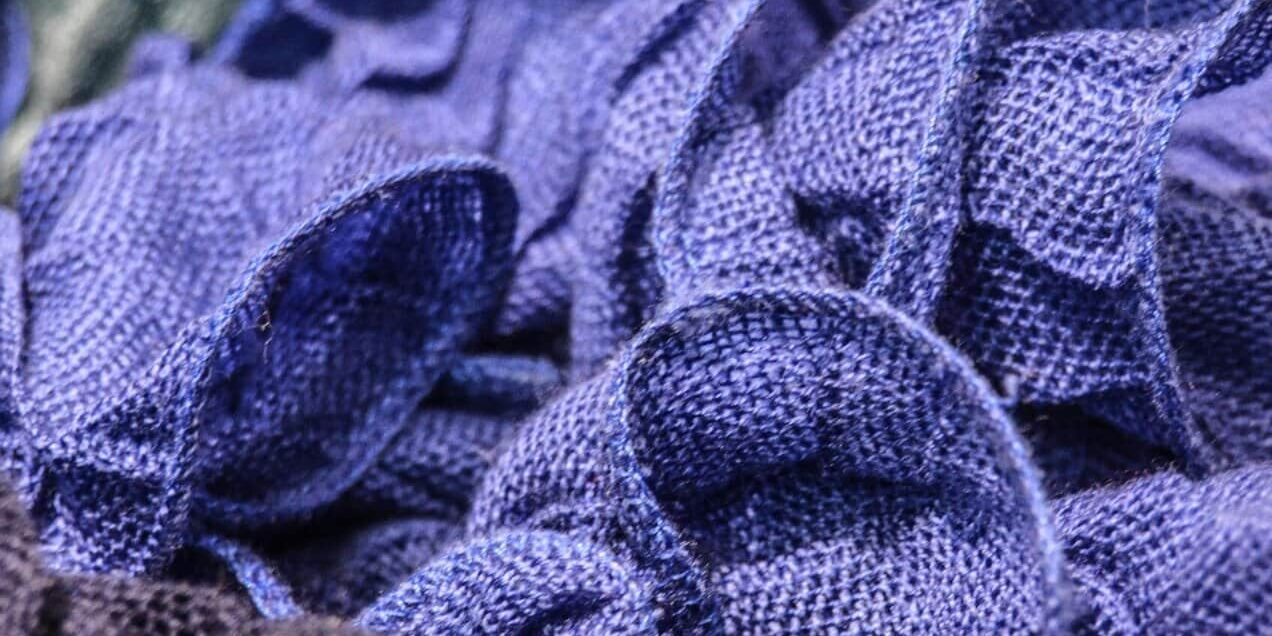
Knitwear is a unique sector, combining artisanal tradition with technological innovation and requiring highly specialized skills and premium-quality materials. However, the textile industry—and knitwear manufacturing in particular—is also among the most environmentally impactful. Every year, tons of yarn and fabric waste are generated during production, along with high consumption of water, energy, and chemicals. To address this challenge, zero-waste knitwear factories are emerging as a concrete model of sustainability and innovation, capable of drastically reducing waste while maximizing the value of every yarn used.
What Zero Waste Means in Knitwear Production
A zero-waste knitwear factory does not simply recycle leftover yarn; it rethinks the entire production cycle, from design and pattern development to waste management. Advanced technologies such as Shima Seiki’s Wholegarment® make it possible to produce seamless, three-dimensional garments with no material waste, eliminating the losses typical of traditional cut-and-sew systems.
Projects like CircularKnit, developed through collaboration between Shima Seiki and Manteco, demonstrate that it is possible to create 100% recycled, recyclable, and zero-waste knitwear using high-quality regenerated yarn. In these cases, sustainability is not an added value but an integral part of the knitwear manufacturing process, from yarn selection to the finished garment.
Wholegarment®: The Technology Revolutionizing Waste-Free Knitwear
Wholegarment® is a technology developed by the Japanese company Shima Seiki, a global leader in knitwear machinery, that enables the production of complete three-dimensional garments directly on the knitting machine, without any need for sewing or cutting. The principle behind Wholegarment® is simple yet revolutionary: instead of producing flat panels to be assembled later, the machine builds the garment yarn by yarn, stitch by stitch, following a digital 3D model that automatically integrates shapes, sleeves, necklines, and edges.
Wholegarment® technology can produce all types of knitwear—from cardigans and lightweight sweaters to technical pullovers and accessories—with a level of precision and detail unattainable through traditional methods. Designers can program tension, density, and stitch types, unlocking new creative possibilities for modern knitwear design.
One of the main advantages of Wholegarment® is the drastic reduction of waste. Without cutting or sewing, textile scraps are virtually eliminated, significantly reducing environmental impact and maximizing yarn efficiency. In addition, this system allows for made-to-measure knitwear production without waste, adapting each garment to the needs of the final customer—an important benefit in terms of both sustainability and personalization.
From a sustainability perspective, Wholegarment® integrates seamlessly with GOTS-certified, RWS-certified, and recycled yarns. Knitwear factories can process regenerated materials without compromising garment quality, creating a more responsible and future-oriented production cycle.
Ultimately, Wholegarment® is not just a manufacturing technology; it represents a true circular knitwear model, combining automation, integrated design, and optimal yarn management. Producing complete garments without waste is opening new paths toward a more sustainable knitwear industry, reducing environmental pressure while delivering high-quality, customized, low-impact products to consumers.
Integrating Circularity into the Knitwear Supply Chain
The zero-waste approach in knitwear is based on material circularity. Every production stage—from garment design and yarn planning to leftover management—is designed to eliminate waste. Events such as ZeroW in Florence highlight how knitwear creativity can transform surplus yarn and production waste into innovative collections, proving that sustainability and style can coexist.
International brands like Patagonia and Eileen Fisher apply similar strategies, recovering production scraps and unsold garments to create new yarn or secondary knitwear lines. These examples show that knitwear factories can adopt a scalable circular model in which every yarn matters and every waste stream is revalued.
Concrete Benefits of Zero-Waste Knitwear Factories
Reduced environmental impact: According to the United Nations, only 15% of textile materials are currently recycled, while the rest ends up in landfills or incinerators. Knitwear factories that integrate sustainable design and certified yarn significantly reduce waste generation and CO₂ emissions.
Economic efficiency: Optimizing yarn consumption and minimizing waste lowers material costs and disposal expenses, increasing the competitiveness of the knitwear factory.
Yarn and labor value enhancement: The use of sustainable yarn and environmentally responsible processes ensures respect for animal welfare and protects the work of knitwear professionals, promoting a more ethical and transparent industry.
Conclusion: Toward Truly Sustainable Knitwear, Yarn by Yarn
Zero-waste knitwear factories are no longer an experimental or niche concept but a necessary and concrete direction for the future of knitwear manufacturing.
Rethinking knitwear through a zero-waste lens means enhancing every yarn, drastically reducing waste, and restoring central importance to intelligent design and technical expertise within the knitwear factory. In a global market increasingly focused on environmental and social impact, companies investing in sustainability today not only reduce their ecological footprint but also build long-term competitive advantage.
Thanks to its inherent flexibility and innovative potential, knitwear is uniquely positioned to lead the transition toward a more ethical and circular textile industry. And along this journey, every choice—from yarn selection to machinery, from design to finished garment—can truly make a difference.